 Updated on 2026-11-20 17:57:15
As enterprise applications continue to expand, databases face increasing pressure from growing data volumes, higher transaction rates, and more demanding availability requirements. Traditional database architectures may work well for predictable workloads, but scaling them to support large, distributed, and business-critical applications can become increasingly challenging.
Ascalable distributed DBMS (Database Management System) offers an alternative. By distributing data and computing resources across multiple interconnected nodes, it enables enterprises to expand database capacity, improve resilience, and support complex workloads without relying entirely on a single database server.
However, scalability alone is not enough. Enterprises also need consistent transactions, reliable data protection, predictable performance, and manageable operations. Understanding these requirements is essential when evaluating a distributed DBMS for enterprise use.
Why Enterprises Need a Scalable Distributed DBMS
Enterprise database requirements rarely remain static. As businesses grow, applications must handle more users, concurrent transactions, and increasingly complex data operations.
A centralized database typically depends on vertical scaling, which involves upgrading the resources of an existing server. Although this approach can be effective initially, it eventually encounters hardware limitations and rising infrastructure costs.
A distributed DBMS addresses these constraints through horizontal scaling. Instead of continuously upgrading one machine, organizations can add database nodes to increase available computing and storage capacity.
This architecture is particularly valuable for enterprises operating:
- High-concurrency financial and transaction processing systems.
- E-commerce platforms experiencing seasonal traffic spikes.
- Global applications serving users across multiple regions.
- Data-intensive enterprise applications requiring continuous availability.
- Modern applications combining transactional and analytical workloads.
By distributing workloads across multiple nodes, enterprises can build database infrastructure that adapts to changing business requirements.
Essential Capabilities of an Enterprise Distributed DBMS
Not every distributed database is suitable for enterprise workloads. Beyond supporting multiple nodes, an enterprise-grade DBMS needs several core capabilities.
Horizontal Scalability and Elastic Resource Management
Horizontal scalability allows database capacity to grow by adding nodes rather than depending exclusively on larger servers.
An effective distributed DBMS should distribute data and workloads across the cluster, helping prevent individual nodes from becoming performance bottlenecks. It should also support efficient resource allocation as application demands change.
For enterprises, this means greater flexibility when planning infrastructure capacity and responding to unexpected workload growth.
High Availability and Disaster Recovery
Database downtime can directly affect business operations, particularly in financial services, retail, and other transaction-intensive industries.
A distributed DBMS should provide data replication, failure detection, and automated recovery mechanisms. When a node or availability zone becomes unavailable, the system should be capable of maintaining service through its remaining resources, depending on the deployment configuration.
Disaster recovery capabilities are equally important. Enterprises should evaluate recovery time objectives (RTO) and recovery point objectives (RPO) to understand how quickly services can resume and how much data loss is acceptable.
Strong Transaction Consistency
Distributing data across multiple nodes introduces additional coordination requirements. Transactions may involve records stored on different nodes, making consistency a critical architectural consideration.
Enterprise databases must coordinate transaction execution and data replication to prevent conflicting updates and inconsistent results.
For workloads such as payment processing, account management, and order transactions, strong consistency can be essential. Distributed transaction protocols and consensus mechanisms help maintain data integrity across the database cluster.
Predictable Performance Under Heavy Workloads
A scalable database should do more than accommodate additional data. It must also maintain predictable performance as concurrency and transaction volumes increase.
Efficient data partitioning, indexing, query optimization, and workload scheduling all contribute to database performance.
Enterprises should evaluate database performance using representative workloads rather than relying exclusively on theoretical scalability or isolated benchmark results.
How to Evaluate a Distributed DBMS for Enterprise Applications
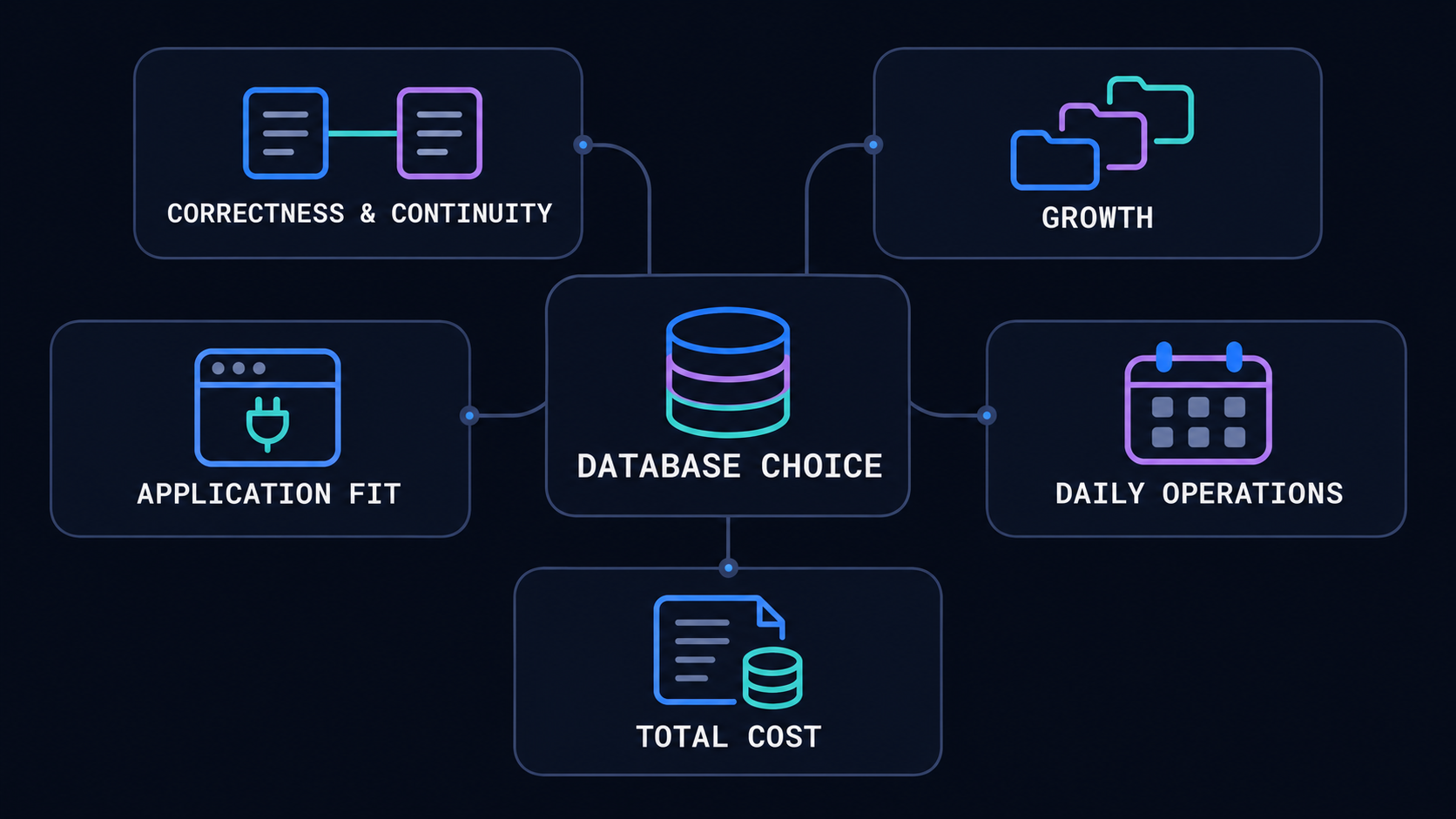
Choosing an enterprise distributed DBMS requires evaluating both technical capabilities and long-term operational requirements.
Scalability: Can the database expand its computing and storage capacity as workloads increase? Can it distribute data efficiently across nodes?
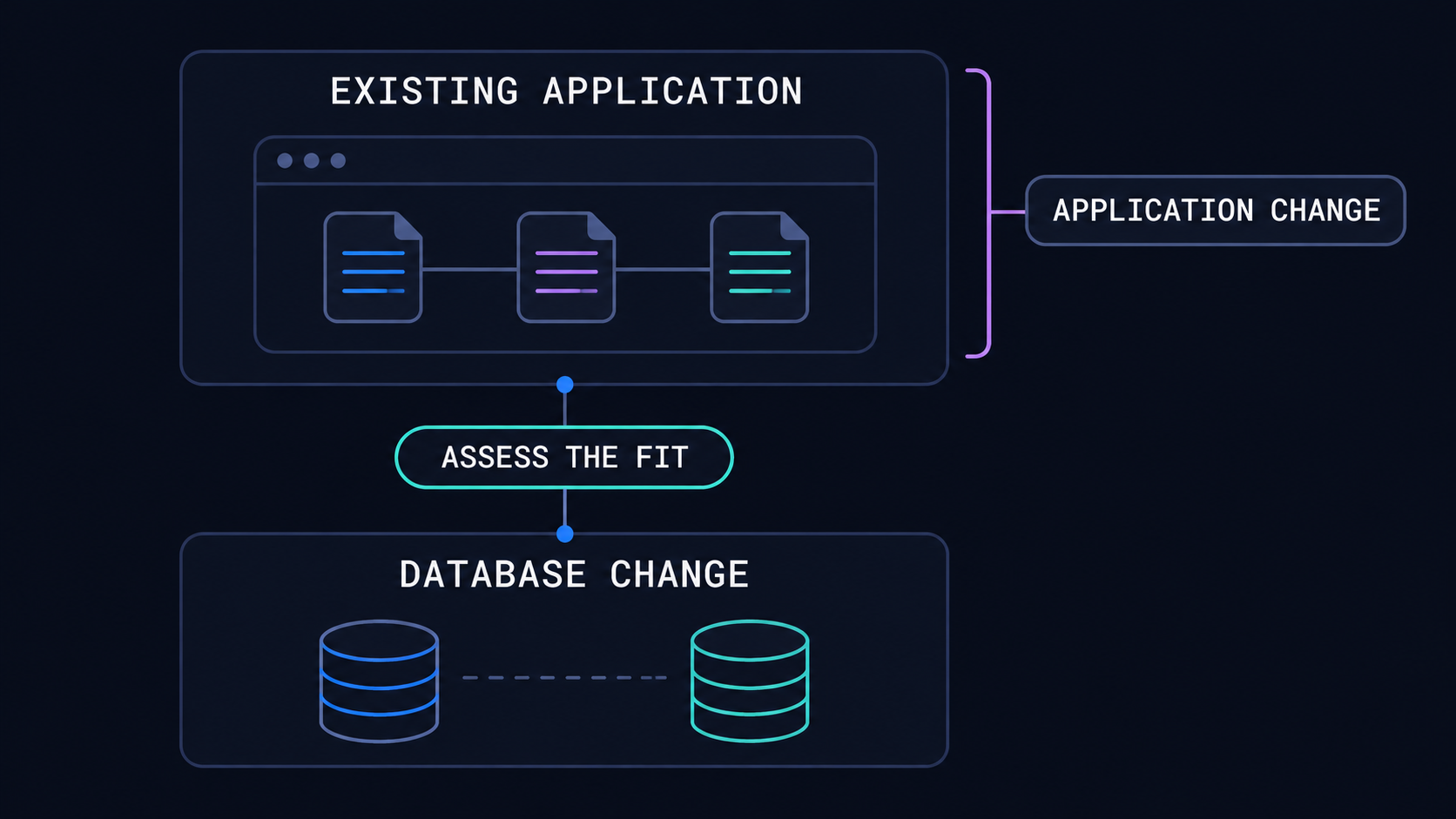
Compatibility and Migration: Can existing applications migrate without extensive code changes? Compatibility with established database ecosystems can significantly reduce migration complexity.
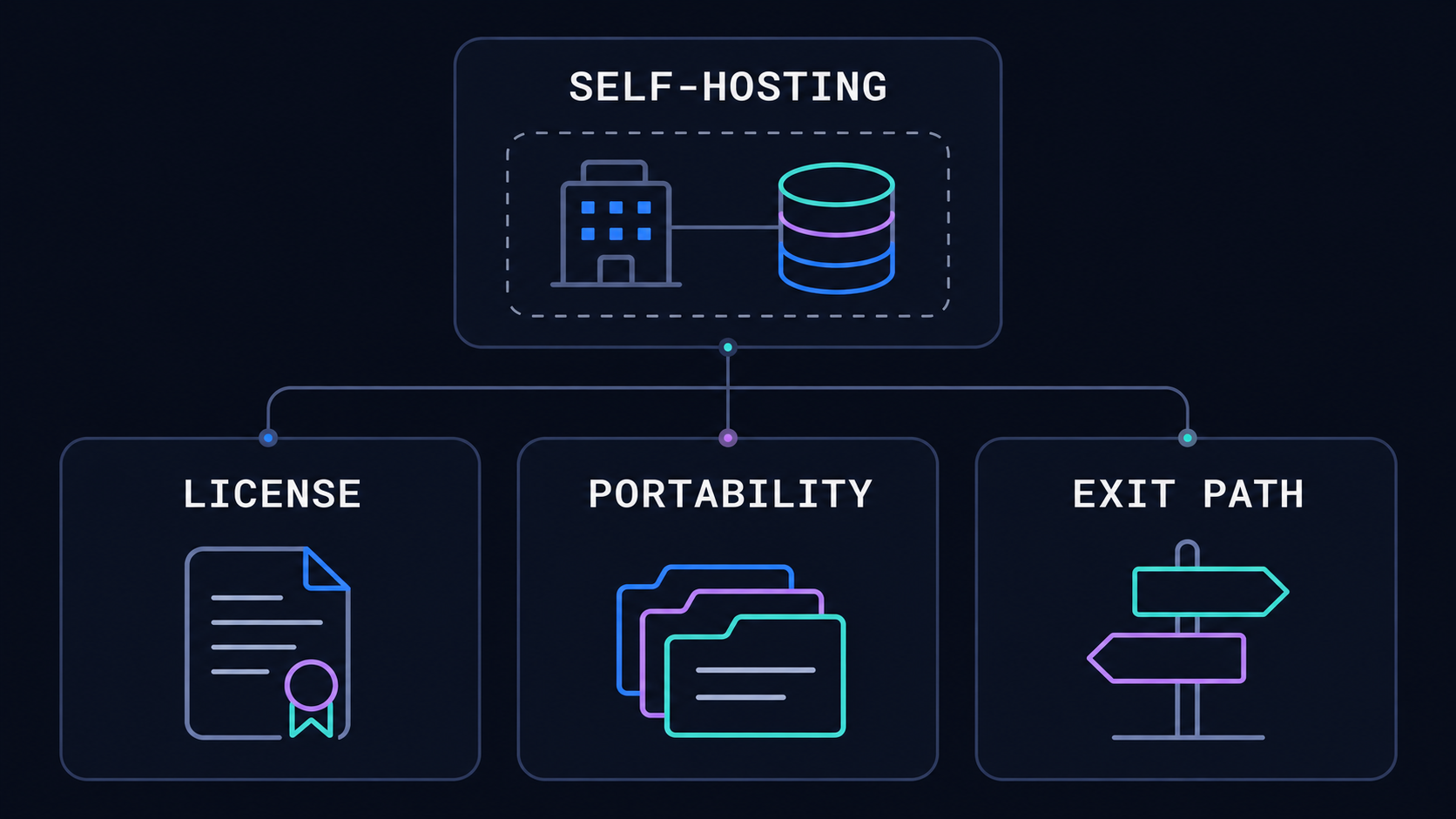
Deployment Flexibility: Does the database support deployment models that match enterprise infrastructure requirements, including on-premises environments and private clouds?
Security and Data Governance: Does it provide encryption, granular access control, authentication, and auditing capabilities to protect sensitive enterprise data?
Operational Efficiency: Are database monitoring, migration, backup, diagnostics, and cluster management supported by integrated tools?
These considerations help organizations distinguish between databases that simply support distributed deployment and platforms designed for demanding enterprise environments.
OceanBase: A Distributed Database for Enterprise-Scale Workloads
OceanBase is designed to support large-scale transactional, analytical, and AI workloads through a unified distributed database architecture.
Its distributed architecture combines data partitioning, multi-replica synchronization, and horizontal scaling to support enterprise applications that require both performance and reliability.
For organizations running mission-critical workloads on their own infrastructure, OceanBase Enterprise provides a self-hosted commercial deployment option with enterprise-grade support and infrastructure control.
Key capabilities include:
- Scalable Performance: Supports growing transaction workloads and provides predictable performance at scale, with published TPC-C and TPC-H benchmark results.
- Zero Data Loss: Uses Paxos-based multi-replica log synchronization to support RPO=0 when the required replica quorum remains available.
- Shared-Nothing Architecture: Built on a shared-nothing architecture that eliminates single points of contention, enabling linear horizontal scaling as compute and storage resources grow independently across nodes.
- Native HTAP Capability: Combines row-store and column-store engines within a single distributed platform, enabling real-time analytics on operational data without requiring separate analytical databases or ETL pipelines.
- High Availability: Supports automatic failover within seconds, helping enterprises maintain business continuity during infrastructure failures.
- Database Compatibility: Provides Oracle and MySQL compatibility to reduce migration complexity for existing enterprise applications.
- Integrated Management: Offers tools for migration assessment, data synchronization, database development, operations management, and intelligent diagnostics.
OceanBase Enterprise also supports deployment on bare metal and private cloud environments, making it suitable for organizations that require control over their infrastructure and data.
Centralized vs. Distributed DBMS: Which Architecture Should Enterprises Choose?
A distributed architecture is not automatically the best solution for every enterprise. The right choice depends on workload characteristics, infrastructure constraints, availability targets, and future growth expectations.
Centralized databases can remain effective for applications with moderate workloads, predictable resource requirements, and relatively simple infrastructure needs.
Distributed databases become more relevant when applications require horizontal scalability, higher availability, multi-node processing, or deployment across multiple regions.
However, distributed systems also introduce additional complexity in transaction coordination, replication, query execution, and cluster operations. Enterprises should consider these trade-offs before selecting an architecture.
If you are evaluating the differences between these approaches, explore our guide to Centralized vs. Distributed Database: How Do They Differ? for a closer look at their architectural differences, scaling models, consistency mechanisms, and practical use cases.
Conclusion
A scalable distributed DBMS provides enterprises with a foundation for managing growing data volumes, increasing transaction workloads, and demanding availability requirements.
However, successful enterprise database scaling requires more than adding nodes. Data distribution, transaction consistency, replication, disaster recovery, and operational efficiency must work together as part of a unified architecture.
By evaluating these capabilities against real business workloads, enterprises can select a distributed database platform that supports current operational needs while providing the flexibility to accommodate future growth.
To explore OceanBase's scalable distributed DBMS capabilities, try the OceanBase Demo or visit the OceanBase documentation.