 Updated on 2026-11-20 10:28:58
Enterprise database vendors are not interchangeable, and the vendor that fits a business best depends heavily on where that business is starting from: an organization already running core systems on one engine faces a very different decision than a team building a new cloud-native service from scratch. The vendor that fits best is the one whose ownership model, support commitment, and growth path match what the business is actually prepared to take on, not the one with the longest feature list. This article introduces six established vendors, Oracle Database, Microsoft SQL Server, Google Cloud Spanner, Amazon Aurora DSQL, CockroachDB, and OceanBase, in plain terms so a business can see where each one actually fits.
Why "Best Enterprise Database" Depends on Where You're Starting From
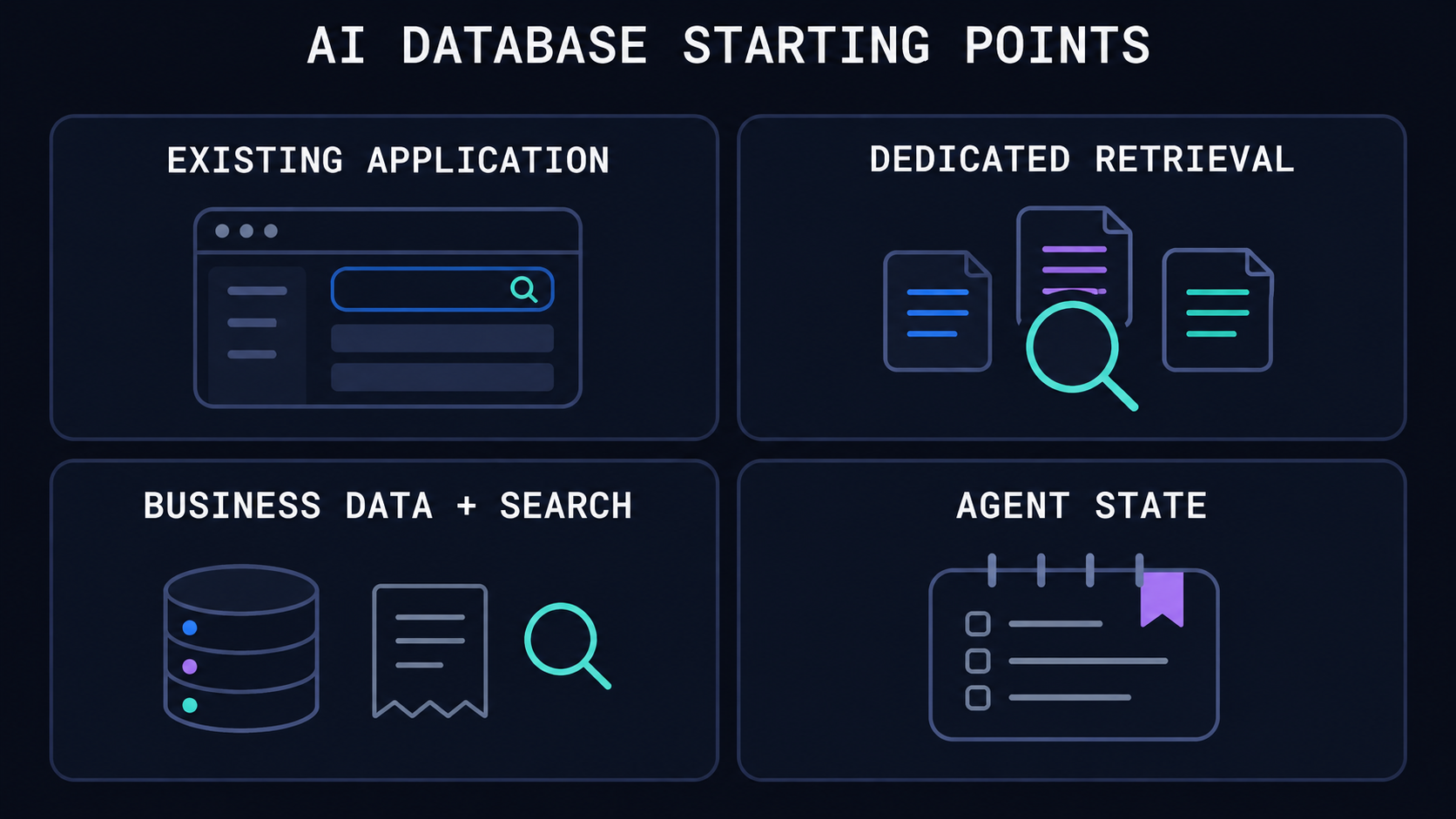
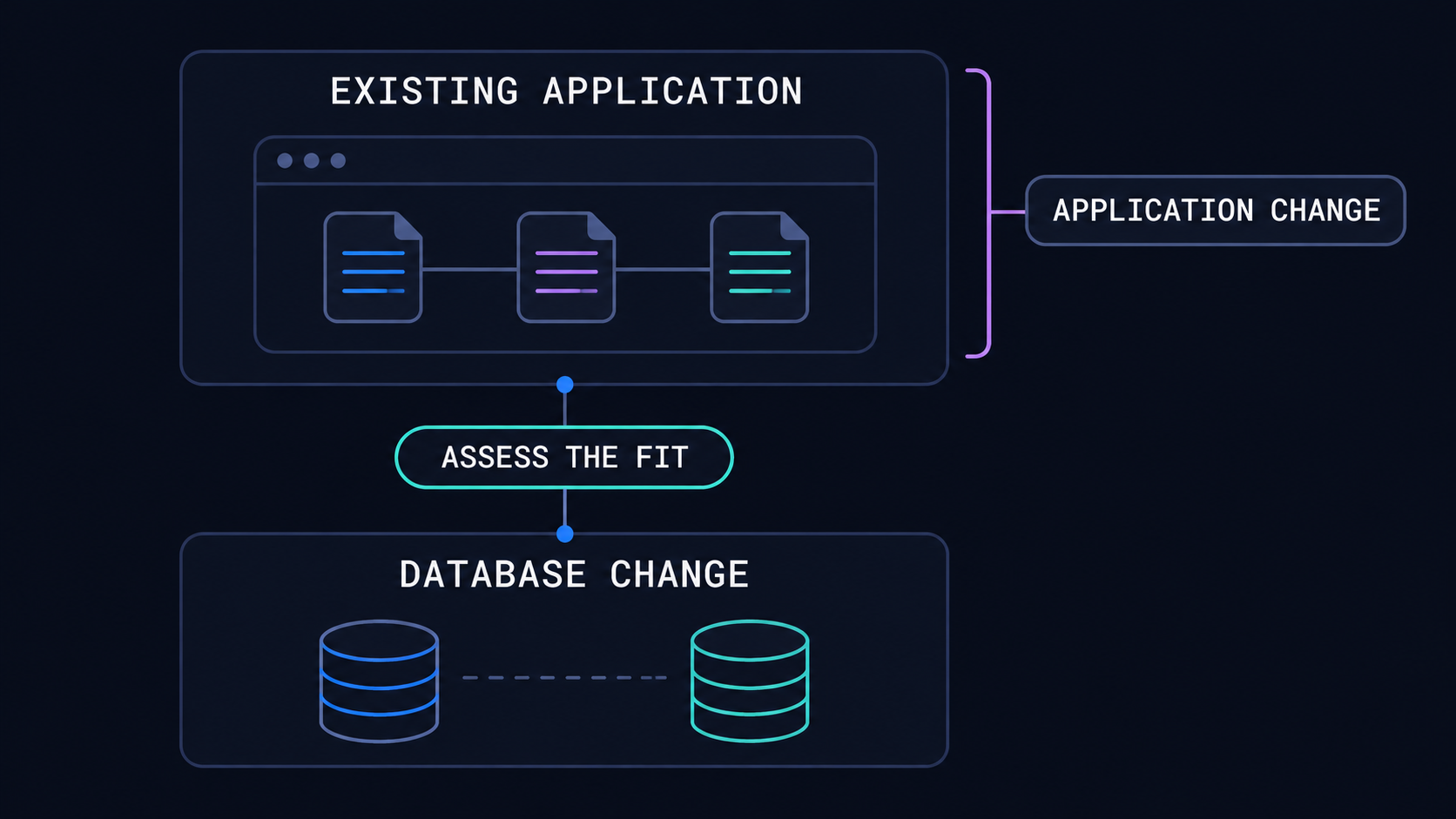
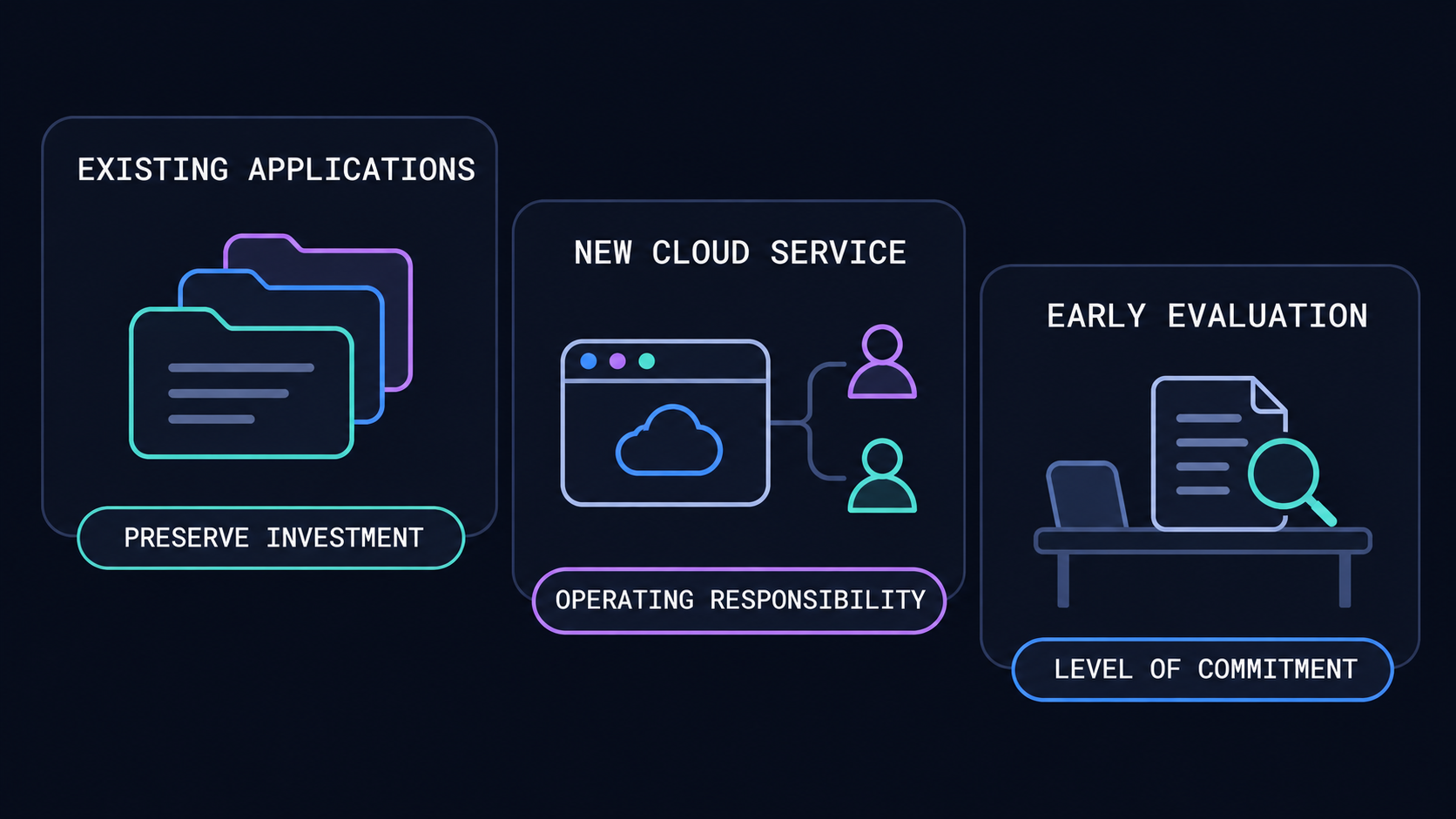
A business replacing its core order-management or billing system, a team launching a new cloud-native application, and a smaller company evaluating a database before it has budget for a long vendor relationship are all asking the same question, which enterprise database vendor is "best." But each one is actually choosing among different things. The business with years of applications and operational experience built around an established engine is really deciding whether to keep extending that investment or absorb the cost and disruption of moving to something else. The team building something new is deciding how much of the operational burden, provisioning servers, applying patches, planning capacity, it wants to hand to a vendor versus keep in house. The smaller company is deciding how much commitment it can accept before it even knows whether the technology is the right fit for its workload.
These are different questions, and a single feature comparison cannot answer all three at once. A business already standardized on Oracle's ecosystem does not benefit much from reading about a free CockroachDB license; a team that wants zero infrastructure work does not benefit much from reading about Oracle's support stages. The useful first step is recognizing which of these situations actually describes the business doing the evaluating, because that changes which vendor facts matter and which ones are just noise.
Matching Your Situation to What Matters Most
Once a business knows which starting point describes it, it can weigh the right factors instead of working through a generic feature list. This comparison covers six vendors in three groups: Oracle Database and Microsoft SQL Server, compared here on the self-hosted, licensed route each vendor documents, since separate managed cloud offerings from either vendor are outside this comparison's scope; Google Cloud Spanner and Amazon Aurora DSQL, compared here as fully managed cloud services with no self-hosted route in scope; and CockroachDB and OceanBase, which both offer a self-hosted route, including a free entry point, alongside a managed option.
Your situation | What to weigh most | Trade-off to accept |
|---|---|---|
| Already running core systems on an established vendor | The cost and disruption of switching versus the cost of staying and renewing | A predictable support calendar, but an ongoing licensing and renewal relationship |
| Want to hand database infrastructure to someone else entirely | How much of the day-to-day operation the vendor actually takes on | Less direct control, and commitment to a single cloud provider's regions |
| Want a lower-commitment way to evaluate a new engine first | Whether a genuinely free or open self-hosted route exists, and who can use it | Eligibility conditions, and a real gap between the free tier and a paid, supported one |
| Expect transaction volume to keep growing | Whether the database was built to add capacity without an application redesign | The added operational complexity that comes with any distributed architecture |
| Need a long-lived system with a predictable support timeline | How clearly the vendor documents when support for a version starts and ends | Tracking and acting on that calendar is still the business's own job |
These groupings are not a ranking. A business that needs continuity on an existing Oracle application and a business that wants to hand its infrastructure off entirely are both making the right call for their own situation; the rest of this comparison explains what each vendor actually offers within its group.
Oracle Database
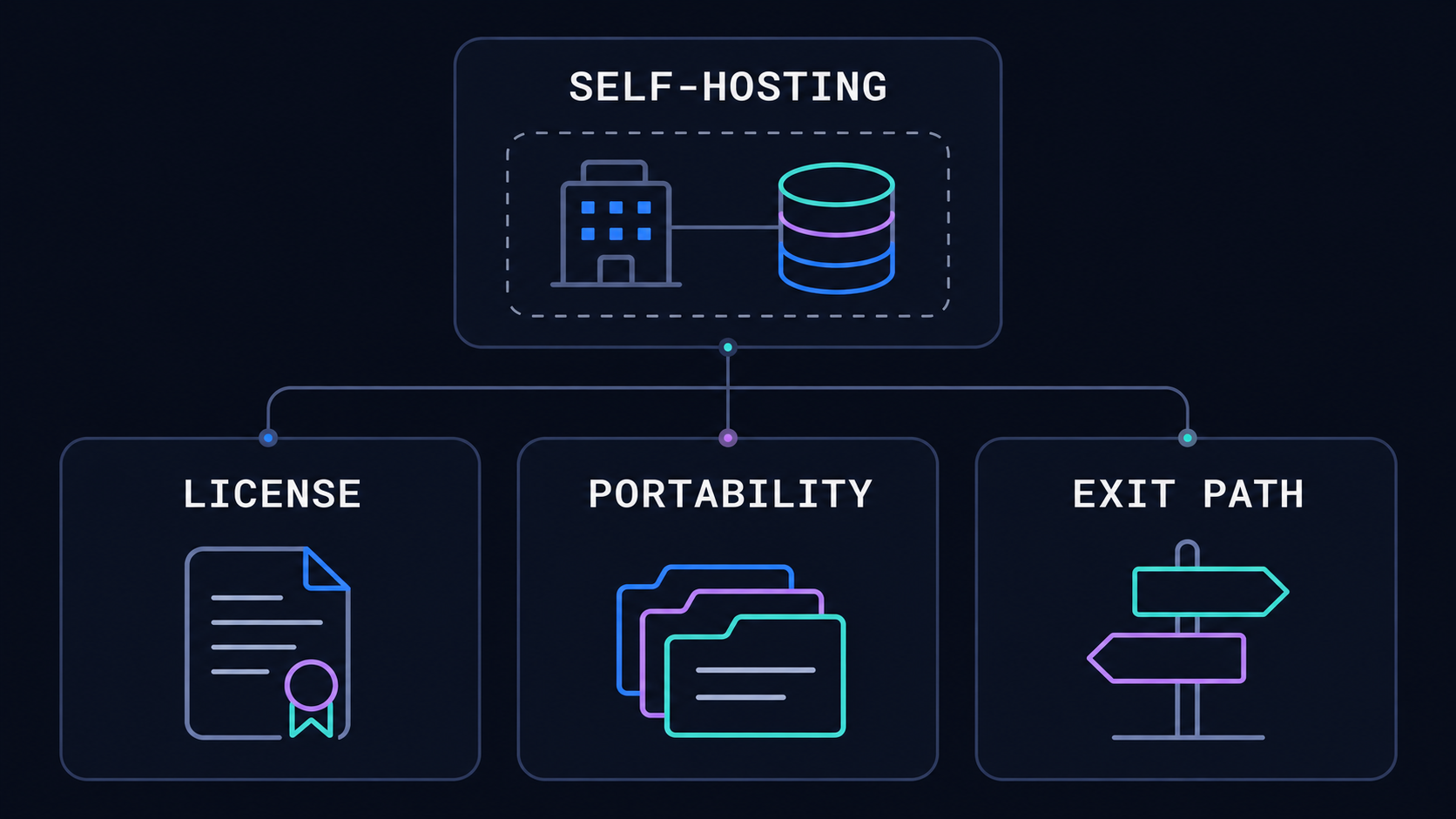
Oracle Database is one of the most established relational databases used for enterprise transaction processing, and a large share of existing core business systems, from order management to general ledgers, already run on it. Its core strength for this comparison isn't a single feature; it's continuity. Oracle publishes a long-running support policy for its software rather than retiring a version on a short, fixed timeline, which means a business that has already built applications, trained staff, and tuned operations around Oracle doesn't have to re-platform just because a newer release comes out elsewhere. That makes Oracle the natural starting point for an organization asking whether to keep extending an existing investment rather than adopting a different engine.
The trade-off is that the self-hosted, licensed route this comparison covers is a hands-on commitment: an organization choosing it is keeping ownership of the database's operation, or paying Oracle for support on that commitment, rather than adopting a fully managed cloud service the way this comparison treats Spanner or Aurora DSQL, and the specific stages and terms that apply to a given release should be confirmed directly with Oracle before relying on them for a production decision. Within that route, Oracle's model keeps the business in the driver's seat for infrastructure decisions, for better or worse.
Microsoft SQL Server
Microsoft SQL Server is Microsoft's relational database platform, built for organizations already standardized on Windows or Azure infrastructure and the broader Microsoft tooling ecosystem. For a business whose applications, administration tools, and staff skills already assume a Microsoft stack, SQL Server is often the path of least resistance: adopting it doesn't require retraining a team on an unfamiliar operating environment or rewriting integrations with other Microsoft systems. It ships in several editions, ranging from a free edition meant for development and small-scale use up to editions built for large-scale enterprise deployments, so a growing business doesn't have to buy enterprise-level capability before it needs it, and the edition a business picks should match the scale and availability its workload actually needs rather than being assumed from the product name alone.
Like Oracle, the self-hosted, licensed route is what this comparison covers for SQL Server; the business choosing it is still choosing to own, or license support for, its own database operations, rather than adopting a fully managed cloud service. Its differentiator versus Oracle is less about the database engine itself and more about which existing technology ecosystem a business is already standardized on.
Google Cloud Spanner
Google Cloud Spanner is a fully managed relational database service that Google operates on its own cloud, built for organizations that would rather hand over day-to-day infrastructure work, servers, patching, and routine maintenance, than run it themselves, though the business still owns its own capacity and workload planning. That makes it a genuinely different kind of choice from Oracle or SQL Server on the routes this comparison covers for each: a business adopting Spanner isn't deciding how to keep running the database's infrastructure, it's deciding to stop running that infrastructure directly itself.
Spanner's particular strength is keeping transactions consistent even when data is spread across multiple regions, which matters for a business running a global or multi-region application that still needs strong internal correctness guarantees, for example, a service with customers on different continents that still needs every transaction to behave as if it happened in a single, predictable order. For a software company serving many separate business customers from one deployment, Spanner also offers a choice of how strictly to separate each customer's data, anywhere from a fully separate instance per customer down to sharing a single database and distinguishing rows by customer, so the business can balance isolation against the cost of running many separate deployments.
Spanner suits a team that wants Google Cloud to own the operational burden of running the database at scale, and that is comfortable committing to Google's cloud as the place that application will live.
Amazon Aurora DSQL
Amazon Aurora DSQL is AWS's serverless, distributed relational database service, built specifically for transactional workloads and designed so a business does not have to provision or manage database servers itself. Like Spanner, it's a fully managed commitment rather than something a business can run on its own hardware, but its appeal is specifically for a team already building on AWS that wants the database layer to scale with demand automatically rather than planning server capacity ahead of time.
That said, automatic scaling of the database layer is not the same as a business no longer needing to plan for growth at all: reduced server provisioning work still leaves capacity and traffic planning as the business's own responsibility. Geography is also a real boundary to check early: Aurora DSQL's multi-Region option keeps a cluster inside a single predefined regional grouping rather than spanning continents, which matters for an application that genuinely needs one database reaching across continents rather than staying within one broad region of the world. Within those boundaries, Aurora DSQL is a reasonable fit for a team that wants AWS to own day-to-day database operations without taking on a full migration to a different cloud provider's ecosystem.
CockroachDB
CockroachDB is a distributed SQL database that a business can either run itself or subscribe to as a managed cloud service, which puts it in a different category from the fully managed-only services above: it gives a business the option to keep infrastructure in house if it wants to, without being limited to an Oracle- or Microsoft-style licensed engine. Self-hosted deployments have a free, source-available license for smaller organizations below a certain company revenue size, while a Cloud deployment carries a paid Enterprise license by default.
That free self-hosted tier is what makes CockroachDB worth a look for a smaller or earlier-stage business that wants to try a full-featured distributed database before committing budget to it. Compared with OceanBase, which offers a similar lower-commitment self-hosted route further below, the key difference is eligibility: CockroachDB's free license is specifically gated to organizations under a certain combined revenue size, so a company needs to check whether it still qualifies as it grows, where OceanBase's free self-hosted edition does not carry that kind of revenue ceiling.
OceanBase
OceanBase is a unified distributed database built to handle transactional, analytical, and AI-related workloads from a single platform, rather than requiring a business to run a separate transactional database, a separate analytics warehouse, and a separate system for AI-related data access. For a business that currently operates several different systems to cover these needs, that consolidation is a genuine operational benefit: fewer separate platforms to patch, monitor, and staff, and data that is already available for analysis without building and maintaining a pipeline to move it somewhere else first. Being built as a distributed database, rather than a single-server installation, it is also designed to add capacity as transaction volume grows, which matters for a business that expects its transaction load to keep increasing and does not want to redesign its application around a different database architecture the next time it outgrows its current setup.
OceanBase is available through three routes that match different levels of commitment. OceanBase Community Edition is a free, open-source self-hosted route with no revenue ceiling to check first, which gives a business, of any size, a genuinely low-commitment way to evaluate the technology before any procurement conversation. OceanBase Enterprise is the paid, vendor-supported edition, and it publishes a support lifecycle for each release, giving a business a clear, predictable upgrade calendar for a long-lived system rather than an open-ended question about how long a version stays supported. OceanBase Cloud is a fully managed route for teams that would rather not run the infrastructure themselves, similar in spirit to Spanner or Aurora DSQL but under OceanBase's own product and support terms.
That combination, a free entry point with no revenue ceiling, a predictable paid support path, and a managed option, lets a business start on Community Edition and move to Enterprise or Cloud only once the technology has proven itself for the workload, rather than committing to a single route from day one.
Which Vendor Fits Which Situation
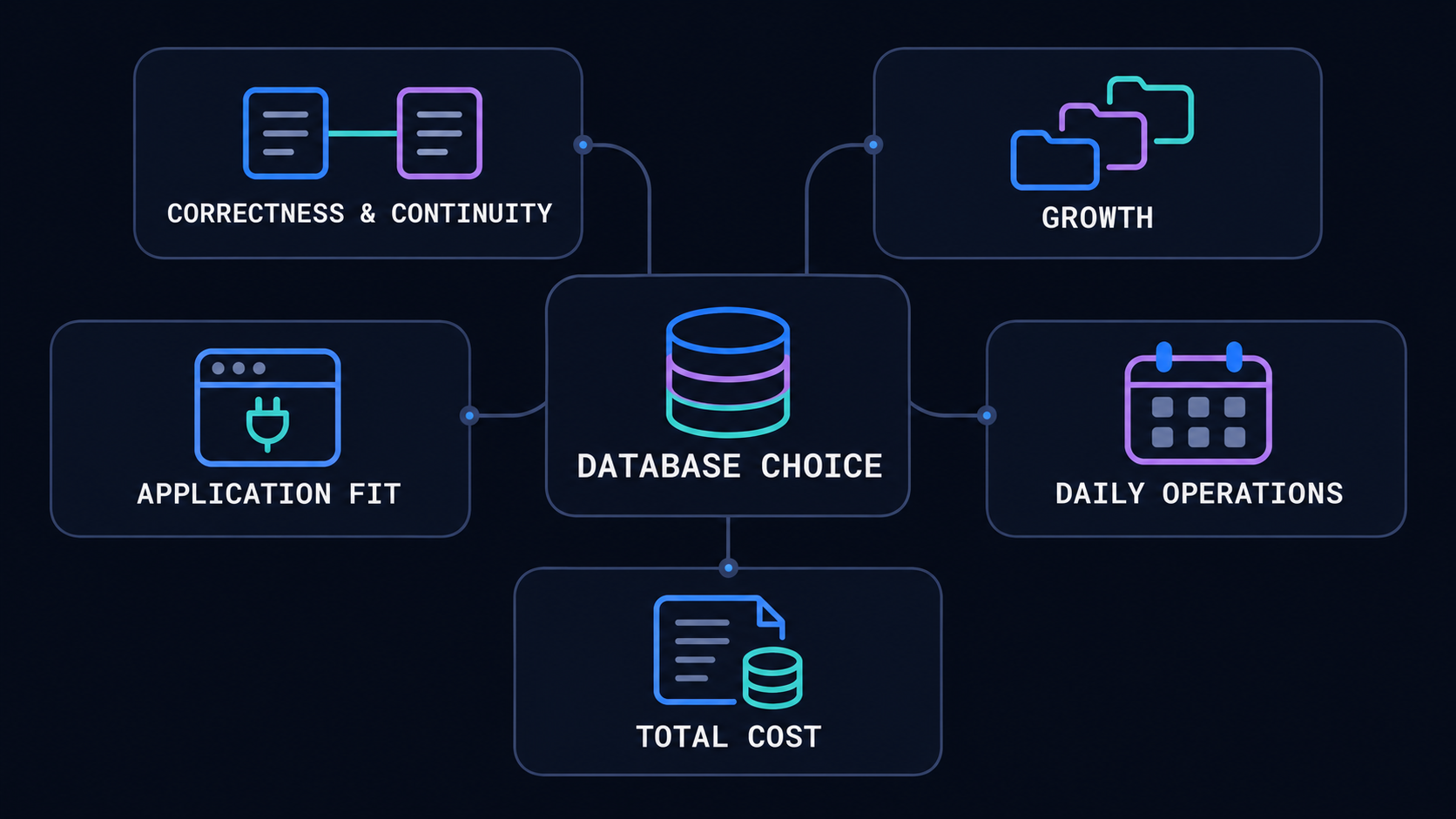
An organization that already runs core systems on Oracle or Microsoft SQL Server, and whose staff, tooling, and integrations assume that ecosystem, usually has the most to lose by switching engines outright; for that business, the realistic question is how to manage the renewal and support calendar on the platform it already has, not whether to replace it. A team that wants to hand database operations off entirely, and is comfortable committing to a single cloud provider, fits better with Google Cloud Spanner or Amazon Aurora DSQL, with the choice between them coming down to which cloud the rest of the application already lives on and whether Aurora DSQL's regional grouping limit matches where that application's users actually are.
A smaller or earlier-stage business, or any team that wants to evaluate a modern distributed database before committing budget to it, has two genuinely free self-hosted starting points: CockroachDB, as long as it stays under CockroachDB's revenue eligibility limit, and OceanBase Community Edition, which carries no such ceiling. From either of those starting points, a business that later wants a single platform to also handle its analytics and AI-related workloads, rather than adding separate systems for those needs, has a specific reason to look at OceanBase's Enterprise or Cloud routes as its next step. In every case, the better fit for a production commitment comes down to which vendor's ownership model, support calendar, and growth path match how the business actually plans to run and pay for the database over the system's lifetime, not which one wins a feature-by-feature count.