 Updated on 2026-11-20 10:28:58
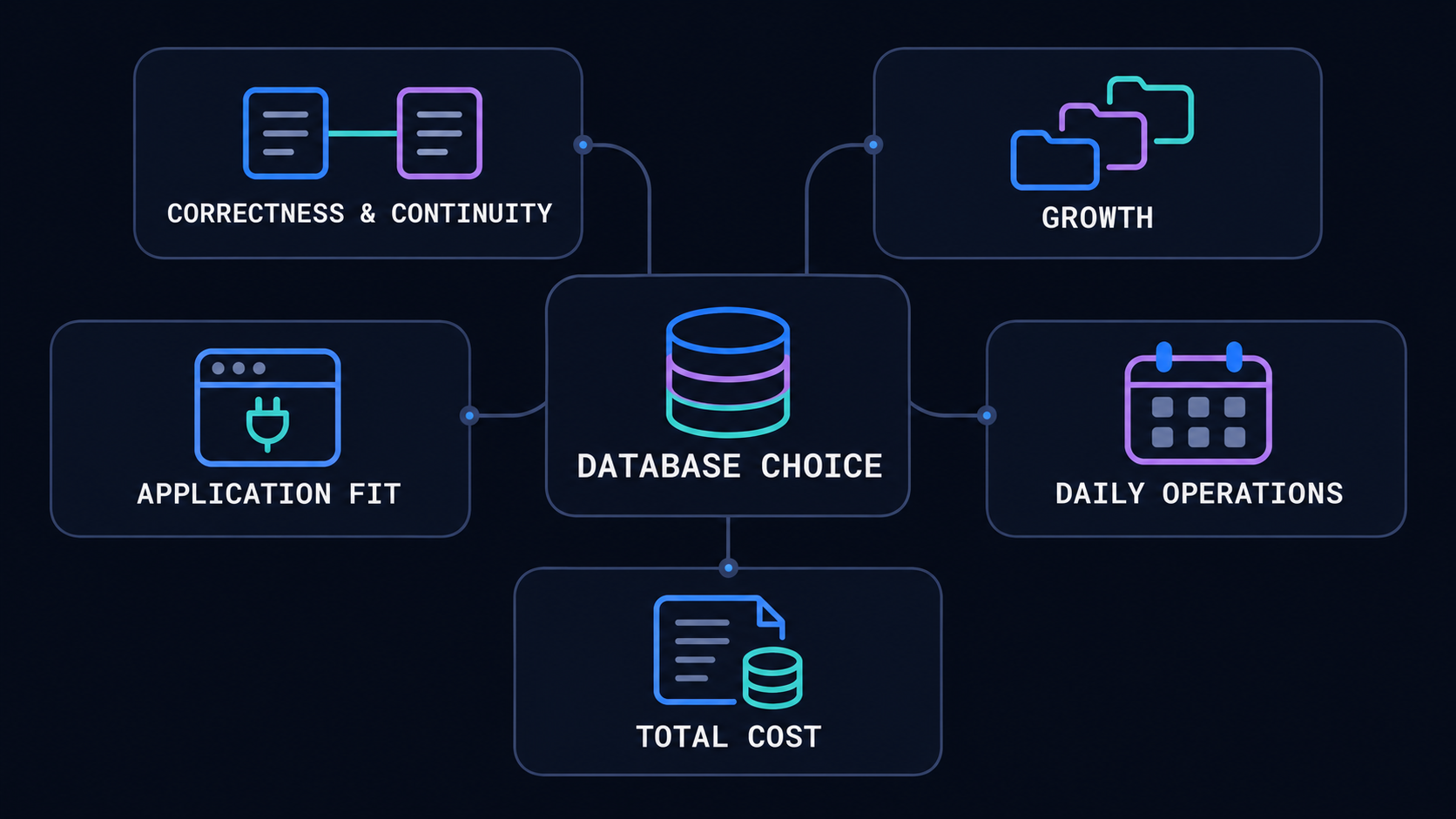
A fast-growing retailer adding warehouses and a bank modernizing a decades-old core ledger can both ask what the key criteria are for selecting a distributed database, but they are not really asking the same question: one cares most about keeping up with order volume without rewriting its application, the other cares most about never corrupting an account balance during a failure. The right answer, in both cases, comes down to five practical questions: whether the database stays correct and available when something fails, whether it grows with the business without a major rebuild, whether it fits the applications already in place, how much day-to-day management it adds, and what it costs to adopt and run over time. This article works through what each of those questions actually means in practice, where OceanBase and CockroachDB typically fit, and how one bank actually weighed them.
What a Distributed Database Actually Changes for a Growing Business
A distributed database spreads an application's data and work across multiple machines instead of relying on one large server, so a business can keep growing without manually rebuilding its data layer every time transaction volume, customer count, or data size increases. Before a distributed database became a practical option, a growing application usually had two choices: buy a bigger single server, which runs into a hard ceiling, or split the data across several separate databases by hand, often by customer or region. That second approach, commonly called sharding, works, but it also means the application itself has to decide which shard owns which data, route every request to the right place, and coordinate any operation that touches more than one shard. A distributed database takes on much of that routing and coordination inside the database itself, which is why it becomes attractive once an application's growth starts to outpace what manual sharding can comfortably support.
That shift in responsibility is also where the five practical questions come from. A database that distributes data still has to decide what happens when one machine fails, still has to be told how to grow without breaking existing application code, still has to fit whatever SQL dialect and tooling an application already depends on, still needs people to operate it day to day, and still has a real cost to adopt and keep running. None of that disappears just because the word distributed appears in the product name.
Staying Correct and Available When Something Fails
For most businesses, this criterion comes down to two plain needs: transactions should keep processing when a server or network problem occurs, and the database should never let two conflicting changes to the same piece of data both appear to succeed. A business running customer-facing transactions, payments, or inventory updates has far more at stake here than one running mostly internal reporting, because a conflicting or lost update in those first cases has a direct, visible cost: a customer charged twice, an order accepted against stock that was already sold, a balance that briefly shows two different numbers to two different services.
A distributed database addresses this by keeping more than one copy of the data on different machines, so losing one machine does not stop the service for everyone else. How a vendor actually handles the moment a copy is lost is where real differences show up, and it is worth asking any candidate to be specific rather than accepting a label like high availability. CockroachDB is a useful illustration of what a specific answer looks like: it documents that it will not treat a change as final until enough copies of that data have agreed on it, and if that agreement cannot be reached, it will simply stop accepting new changes to that piece of data rather than risk two different answers existing at once. That is a concrete, checkable description of a trade-off, not just a label, and it is the kind of answer a business should expect from whichever database it is evaluating.
OceanBase is a useful point of comparison on the other side of that same question: its own documentation describes committing a transaction only after a majority of that transaction's data copies confirm it, and completing failover without losing already-committed data as long as enough of those copies stay available in the deployment. That correctness and availability behavior is native to OceanBase's own database engine, part of its own replication and transaction handling rather than a routing or coordination layer added on top; it is a separate capability from how OceanBase spreads data across machines for scaling, covered next.
Growing Without Rebuilding the Application Every Time
Growth rarely arrives evenly. A retailer's order volume can double during a single promotional weekend; a software company's customer count can grow steadily for a year and then jump after a large contract signs; a bank's transaction volume tends to grow in step with its customer base and its branch or digital-channel expansion. In every one of those cases, the practical question is the same: can the database absorb more concurrent transactions, more data, and in many cases more reporting or analytics running on that same data, without the application team having to redesign how data is split up every time growth outpaces the current setup.
A business expecting rapid growth, seasonal spikes, or a workload that mixes everyday transactions with reporting and analytics has more to gain from a database built to absorb that growth than one that is already small and stable; for that second kind of business, this criterion matters far less than the others. It is also worth being specific about what growth a distributed database actually solves. Adding more machines generally does solve the problem of more total data and more evenly spread transaction volume. It does not, on its own, solve the problem of one unusually popular account, product, or record receiving a disproportionate share of activity: that kind of concentrated load stays a bottleneck no matter how much total capacity is added, because the problem is not a shortage of machines but the shape of the workload itself. Recognizing that distinction early saves a team from assuming that scaling out alone will fix a hot-record problem that actually needs a different data design.
Fitting the Applications and Rules Already in Place
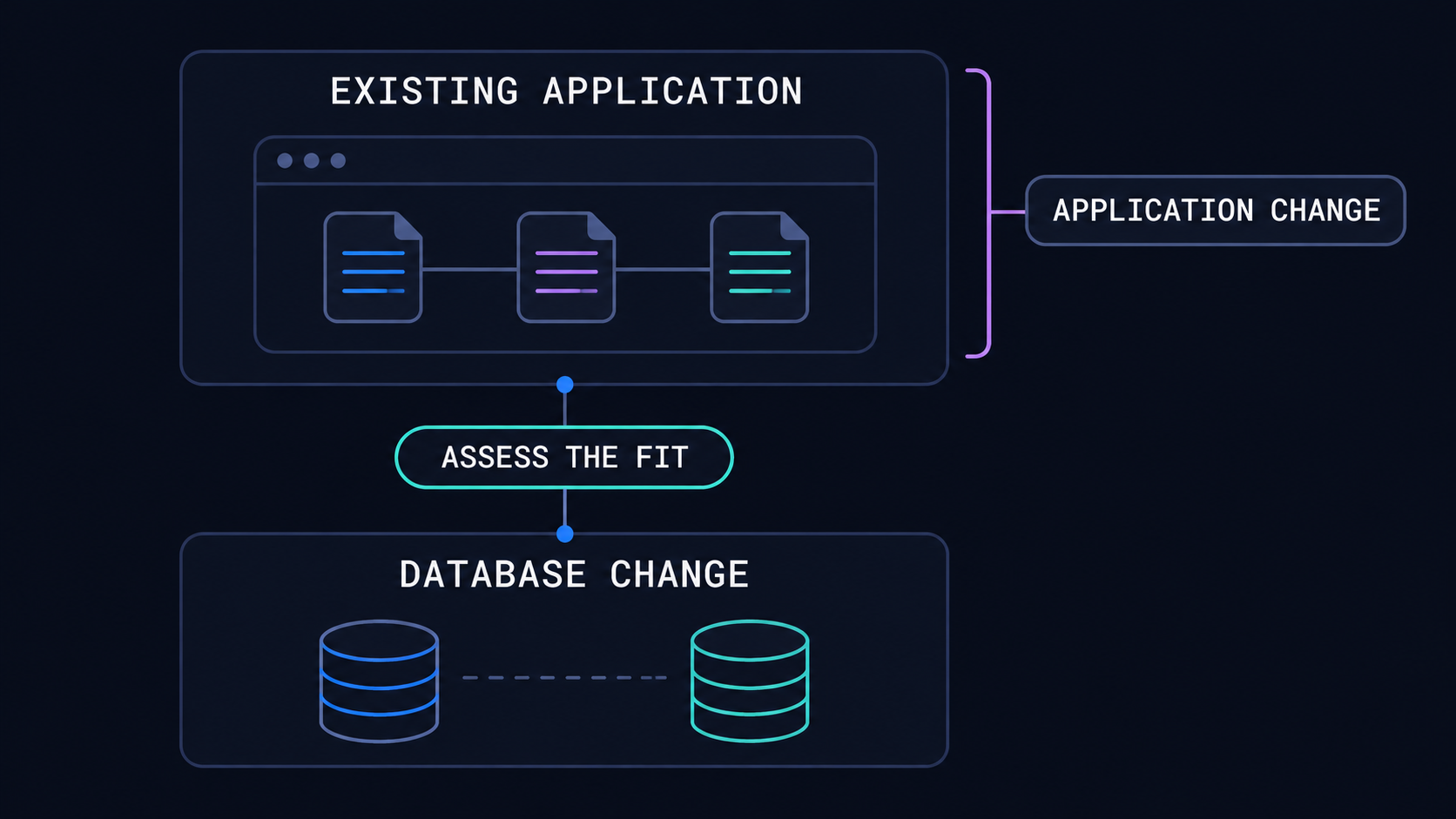
For a business replacing an existing database, compatibility is rarely just a technical checkbox: it is usually the single factor that determines whether a migration takes months or years, and how much of the application's existing logic, tooling, and institutional knowledge survives the move. A team with years of stored procedures, reporting jobs, and operational scripts built around a particular SQL dialect is making a very different decision than a team building something new with no legacy to carry forward.
OceanBase offers compatibility with MySQL, and with Oracle in its Enterprise product, aimed specifically at organizations that already have applications built around one of those two ecosystems and want to move toward a distributed architecture without rewriting that application from scratch. That compatibility is meant to reduce how much code has to change, not to guarantee that every feature, extension, or edge case behaves identically; a team still needs to check the specific features its own application actually depends on.
Compliance and internal governance requirements can also shape this decision before a purely technical evaluation even starts. An organization in a regulated industry, or one with its own internal security, data-residency, or operational-resilience requirements, may need to evaluate a distributed architecture against those specific requirements; where that is the case, it becomes part of why the organization is evaluating a change at all, not just how it evaluates the options once the decision to change is already made.
How Much Day-to-Day Management It Adds
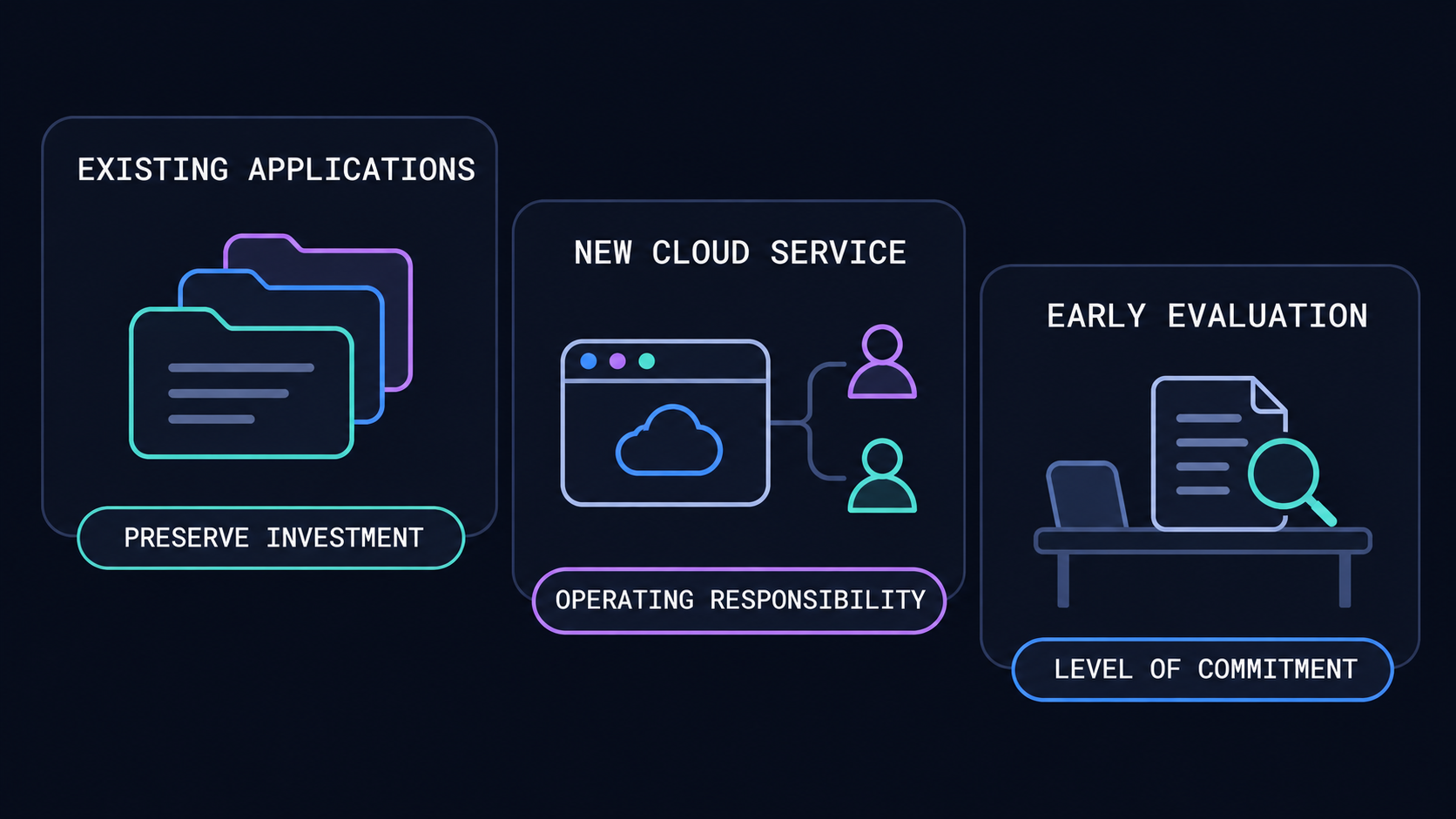
A distributed database still needs people to run it, and that operational reality often gets less attention than performance or compatibility during a selection process, even though it shapes the total cost and risk of the decision just as much. Adding capacity, changing a schema, applying upgrades, rebalancing data after growth, and responding to an incident at an inconvenient hour all take real, ongoing effort from someone. A small team taking on a database that needs frequent manual intervention for these tasks is making a materially different commitment than a team using a managed service that absorbs much of that operational work in exchange for less direct control over configuration and infrastructure.
Neither approach is automatically the right one. A team with strong existing database operations experience and a preference for control over its infrastructure may get more value from running the database itself. A smaller team, or one whose core expertise is elsewhere, often gets more value from a managed option precisely because it trades some of that control for predictable day-to-day effort. The right choice depends on the team's size, its existing skills, and how much appetite it has for operating infrastructure directly rather than building the product its business actually sells.
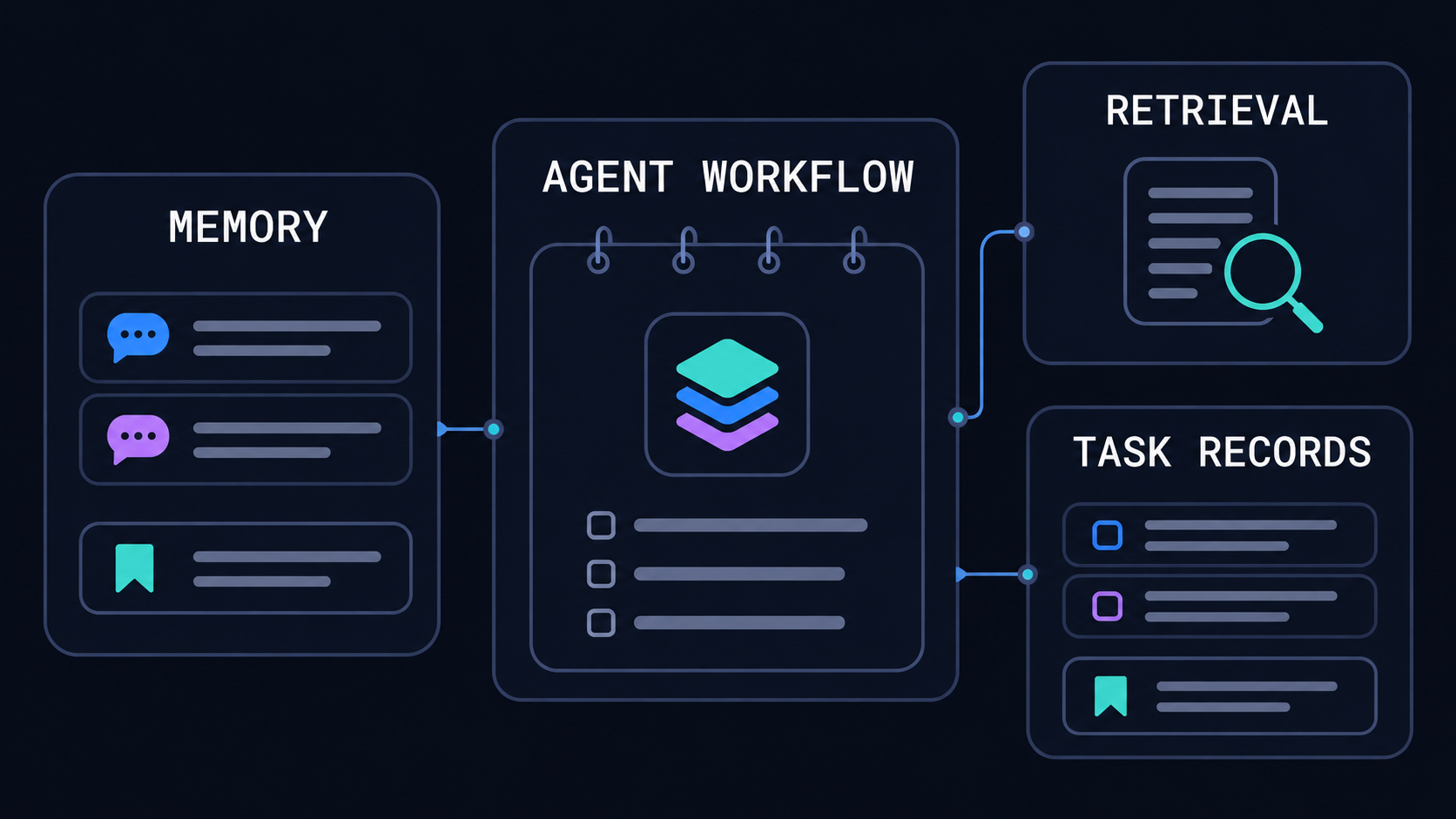
Some of that operational burden can also be reduced by tooling rather than only by choosing between self-managed and fully managed extremes. OceanBase OAgent is one example on the OceanBase side: it gives a database team a natural-language entry point that pulls together cluster health checks, slow-query diagnosis, alert analysis, and optimization suggestions, so an engineer does not have to jump between several separate monitoring consoles to piece together what is happening. For example, a team whose application response time suddenly degrades can describe that symptom in plain language and let OAgent help trace it back toward the specific query behind the slowdown, and a team handling an alert overnight can ask OAgent to walk through what the alert means and what to do next; that can help a less experienced engineer investigate faster, though it is a starting point for investigation rather than a guarantee that every symptom gets diagnosed correctly.
Getting real use out of it still depends on connecting it to the relevant monitoring and management access in the first place. Diagnosis itself is read-only by default, and any actual change can be configured to require human approval rather than being applied automatically; OAgent is a diagnostic and advisory layer on top of a database a team is already running, not a substitute for a managed database service or for a database administrator.
What It Costs to Adopt and Run Over Time
Cost has at least two parts that are easy to conflate when a team is comparing candidates: what it costs to move an existing application onto the new database, and what it costs to run and grow it afterward. Compatibility and the amount of application rework required mostly drive the first number; licensing, infrastructure, and the operational effort described above mostly drive the second. A comparison that looks only at infrastructure pricing, without accounting for how much application work a migration actually requires, will tend to make the cheaper-looking option look more attractive than it will turn out to be once the migration project is underway.
A useful way to keep this honest is to ask what a benchmark number will not show: the engineering time spent adapting application code and stored logic, the time needed to train or hire staff who can operate the new system, the cost of running both the old and new systems in parallel during a cutover, and the ongoing cost of the people and tooling needed to keep the system healthy after launch. None of those costs disappear because a particular database performed well in a benchmark; they simply show up later, after the decision has already been made.
Two Candidates Worth Understanding in Depth
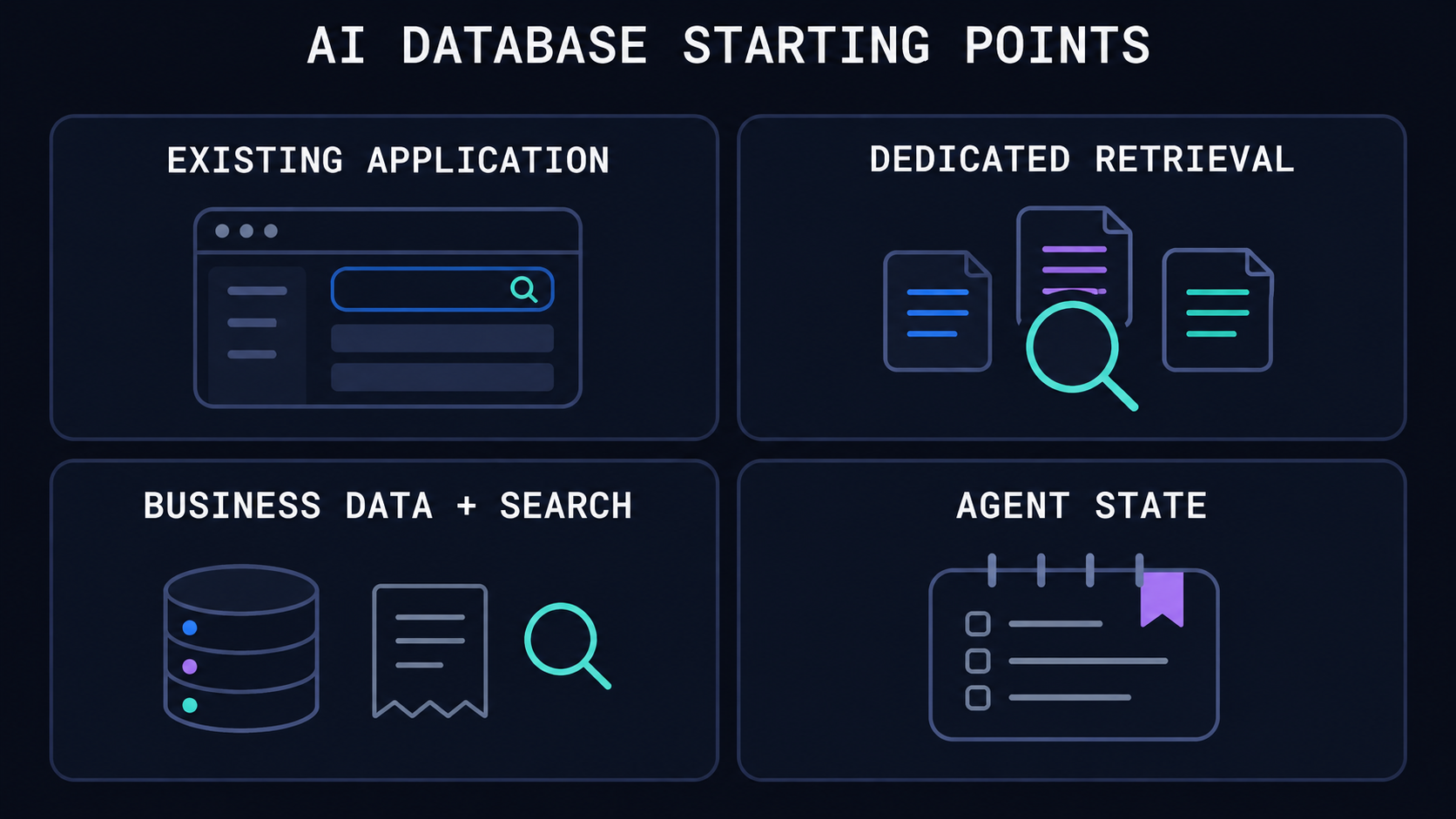
Two distributed databases are worth understanding in real depth for this question: OceanBase and CockroachDB. Both are native distributed databases built to handle transaction processing, scaling, and reliability as core capabilities of the database itself, and the more useful way to compare them is by the kind of situation each is most commonly used to solve, rather than by assuming one is only a migration path and the other is only for new, correctness-first applications.
OceanBase
OceanBase is a native distributed relational database built to handle transaction processing, scaling, and reliability as core capabilities of the database itself, rather than capabilities added on top of a traditional single-server design. That makes it a reasonable foundation for a new application just as much as for an existing one: a team building something from scratch can use OceanBase to get a database that distributes data, replicates it, and keeps transactions consistent without having to build that complexity into the application layer.
A retailer preparing for a sudden spike in order volume, or a SaaS company whose customer count keeps climbing, illustrates the kind of growth this native distribution is built to absorb: capacity can be added as the workload grows, rather than requiring the data layer to be redesigned each time growth outpaces the current setup.
Its reliability comes from a related but separate part of that same native design: replication and transaction handling are built into the database's own architecture, giving it the kind of majority-replica correctness and failover behavior described earlier in this article, rather than requiring a separate high-availability layer added afterward.
Compatibility is one more part of that same value, not the whole of it. OceanBase also offers compatibility with MySQL, and with Oracle in its Enterprise product, which lets an organization with an existing MySQL or Oracle estate move toward this same distributed architecture without rewriting that application from scratch.
That combination gives OceanBase two kinds of relevance: it is a reasonable foundation for a new, distributed application that wants native transaction correctness and scaling built in from the start, and it is also a practical path for an organization that wants to keep an existing MySQL or Oracle investment while gaining that same distributed foundation.
CockroachDB
CockroachDB is a distributed SQL database designed from the ground up to give applications a relational, SQL-based way of working with data while that data is spread and replicated across many machines, rather than adding distribution on top of an existing single-server design after the fact. Its documentation states a goal of offering strong consistency even at large scale, and a design in which every node in the cluster can serve both reads and writes for the data it holds, so that no single node is left carrying all of an application's traffic on its own.
CockroachDB is also built to enforce strong correctness for concurrent transactions under its strictest isolation option: when two transactions would conflict under that setting, the database is designed to reject one rather than let an inconsistent result through, so the application needs to be able to retry that operation occasionally rather than assuming every attempt succeeds on the first try. That approach tends to suit a team that wants strong correctness guarantees available in the database itself rather than added through extra application logic later.
CockroachDB tends to fit well where a team wants that strong, built-in correctness behavior from day one and is building a new, SQL-based application without a large existing MySQL or Oracle estate to carry forward. That does not exclude an organization with an existing MySQL or Oracle application from considering it; it simply means the decision there depends more on how much that organization values starting with this particular correctness model built in, rather than on CockroachDB being unable to serve that kind of application.
The table below summarizes where each candidate's relevant strength currently comes from.
Relevant strength | OceanBase | CockroachDB |
|---|---|---|
| Correctness and availability approach | Confirms a transaction once a majority of its own data copies agree, built into the database as a native capability | Will not finalize a change until enough copies of the data agree, and halts new changes to that data rather than risk two different answers |
| Existing application ecosystem | Offers compatibility with MySQL, and with Oracle in its Enterprise product, for organizations with an existing estate in either ecosystem | Does not require an existing MySQL or Oracle estate, though it does not exclude an organization that has one |
| Where it tends to fit best | A native distributed foundation for transaction processing, scaling and reliability, whether the application is new or already running on MySQL/Oracle | A new, SQL-based application that wants that strong, built-in correctness behavior from day one |
How Sichuan Bank Actually Weighed These Criteria
Sichuan Bank's own account of selecting OceanBase for its new core banking system shows how these criteria actually played out for one real organization. The bank was formed through the merger of two smaller regional lenders that had been running older, centralized database systems, and as it set out to build a new generation of core, channel, and data-platform systems, it noted guidance from China's financial regulators encouraging distributed-architecture adoption in the banking sector as part of why it considered the change in the first place; that reflects the bank's own planning context rather than a requirement for every institution.
According to the bank's published account, it surveyed leading distributed-database vendors and ran a hands-on evaluation before selecting OceanBase for its new system. It credited OceanBase's native distributed execution with giving it the consistency it needed without adding a separate routing layer, and it reported being able to run a load test against the system without changing its application code, which it attributed to OceanBase's Oracle compatibility.
That decision reflects one regulated institution's own weighing of correctness, compatibility, and the cost of changing a legacy estate for its specific environment; it is not a universal recommendation for every organization or every OceanBase deployment option.
Putting the Five Criteria Together
These five questions are not independent checklist items to be scored one at a time; they interact with each other for any real organization. A business whose main constraint is an enormous existing MySQL or Oracle application will naturally weigh compatibility and migration cost more heavily than a business building something new from scratch, which may instead weigh correctness and operating model more heavily from day one. A regulated institution may find that compliance context shapes the decision before the technical evaluation even begins, the way it did for Sichuan Bank.
In practice, the clearest way to use these five criteria is to match them to the situation at hand: a business facing real failure risk and conflicting-update exposure should weigh correctness and availability first; a business expecting uneven or seasonal growth should weigh scalability first; a business with a large existing MySQL or Oracle application should weigh compatibility and migration cost first; and any team should weigh its own operating capacity and the full migration-plus-running cost before committing either way. OceanBase brings native distributed transaction handling, scaling, and reliability to a new transaction-processing application and to an existing one that is growing, and adds MySQL or Oracle compatibility as a further advantage for an organization with that kind of estate to carry forward; CockroachDB brings that same kind of built-in correctness to a team building a new, SQL-based application from the ground up. Matching either candidate to an organization's actual situation, rather than treating compatibility as the only reason to choose one or correctness as the only reason to choose the other, is what actually turns these five criteria into a decision.