
 Updated on 2026-11-10 18:14:41
As enterprises increasingly adopt cloud infrastructure, database deployment strategies must address more than performance and scalability. Organizations also need to consider cross-cloud flexibility, disaster recovery, workload diversity, and the efficiency of database development and operations.
OceanBase Cloud (OB Cloud) is a fully self-developed, enterprise-grade native distributed database service built on multi-cloud infrastructure. Designed to simplify database deployment across different cloud environments, it combines cloud-native architecture, cross-cloud capabilities, and integrated database management. With support for transactional processing, real-time analytics, and AI workloads, OB Cloud provides a flexible foundation for modern enterprise applications.
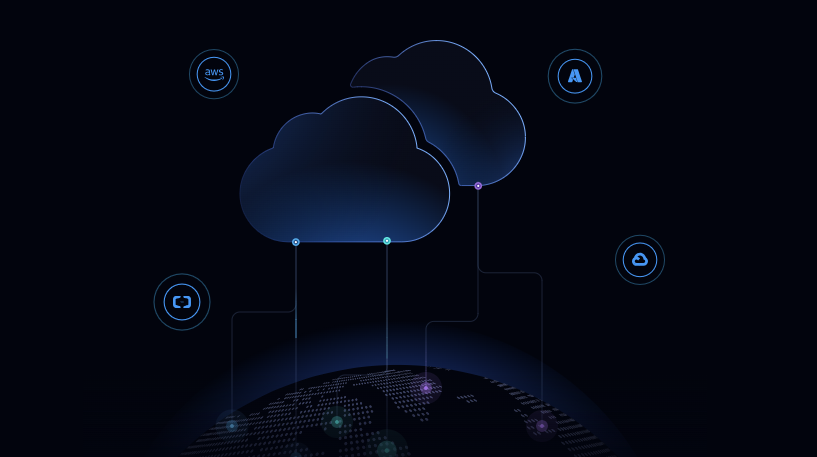
Multi-Cloud Architecture and Cross-Cloud Deployment
Deploying a cloud SQL database across multiple infrastructure providers can introduce challenges related to platform compatibility, data synchronization, and operational consistency. OB Cloud addresses these challenges through its cross-cloud native distributed database architecture.
Broad Multi-Cloud Support
OB Cloud supports major public cloud platforms worldwide, including AWS, Microsoft Azure, Google Cloud, and Alibaba Cloud. By abstracting differences between underlying cloud infrastructures, it allows businesses to deploy database applications across different cloud environments without having to manage each platform's technical differences independently.
This flexibility makes OB Cloud suitable for organizations seeking a cloud-agnostic SQL database strategy that reduces dependence on a single infrastructure provider.
True Cross-Cloud Native Capabilities
Beyond basic multi-cloud compatibility, OB Cloud provides native capabilities for cross-cloud deployment and disaster recovery. It includes built-in primary-standby replication, backup and recovery, and bidirectional data synchronization.
These capabilities allow enterprises to build active-active disaster recovery architectures across geographic regions and different cloud platforms. By maintaining database availability and data synchronization across cloud environments, organizations can reduce their reliance on a single cloud infrastructure provider and improve business continuity.
For enterprises with geographically distributed operations or strict availability requirements, a cross-cloud SQL database architecture provides greater flexibility in infrastructure planning and disaster recovery.
Flexible Purchasing and Deployment Channels
Customers can purchase OB Cloud instances through multiple channels, including the official OceanBase website and cloud marketplaces such as AWS Marketplace, Google Cloud Marketplace, and Alibaba Cloud Marketplace.
Regardless of the purchasing channel, customers receive consistent service quality and technical support. This flexibility allows organizations to choose a procurement approach that aligns with their existing cloud infrastructure and purchasing processes.
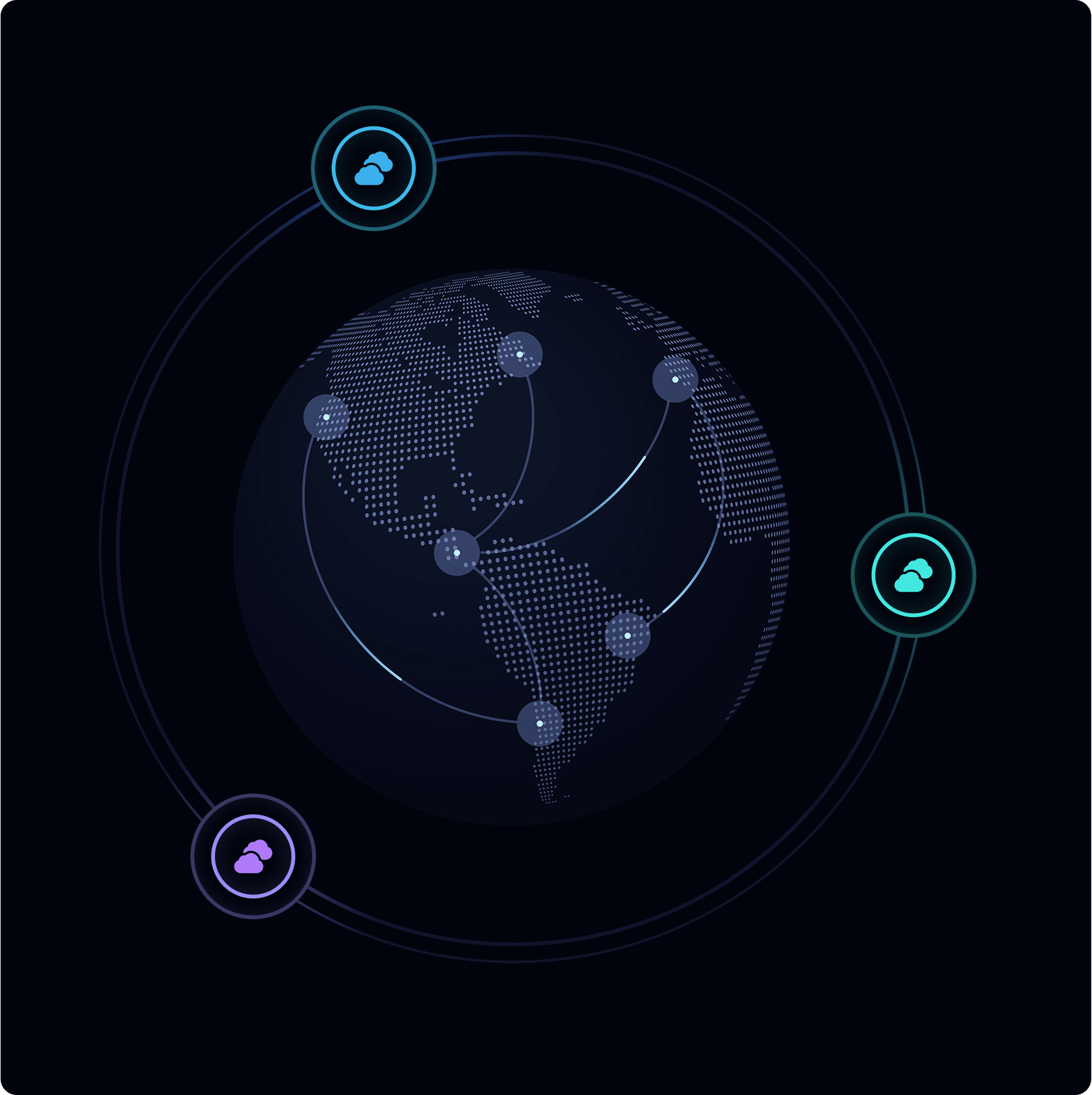
Cloud-Native Database Architecture and Core Capabilities
Built on OceanBase's independently developed native distributed database technology, OB Cloud combines high availability, multi-tenancy, multi-model data management, and workload flexibility. These capabilities provide the foundation for a cloud-native SQL database designed for demanding enterprise workloads.
Native Distributed Architecture and High Availability
OB Cloud adopts a native distributed architecture based on the Shared-Nothing model. Its three-node design supports disaster recovery within the same city or different geographic locations, as well as multi-site active-active deployments.
The architecture supports a Recovery Point Objective (RPO) of zero, helping ensure no data loss, and a Recovery Time Objective (RTO) of less than eight seconds for automatic failure recovery.
These capabilities help maintain data consistency and service availability for critical cloud workloads, making OB Cloud suitable for financial services and other business applications that require reliable database operations.
Native Multi-Tenant Architecture
Based on OceanBase's native multi-tenant architecture, OB Cloud allows multiple applications to run within the same cluster through independent tenants.
Each tenant benefits from resource isolation, helping prevent different workloads from interfering with one another. At the same time, sharing the underlying infrastructure can improve overall resource utilization and reduce the need to maintain separate database environments for every application.
This approach provides a balance between workload isolation, infrastructure efficiency, and centralized database management.
Multi-Model Data Management and AI Integration
Modern enterprise applications increasingly need to process different types of data within a unified architecture. OB Cloud supports integrated SQL and NoSQL data management, along with native vector search capabilities.
It also supports queries that combine multiple data models, including relational data, geographic information system (GIS) data, and full-text search.
By bringing these capabilities together, OB Cloud helps enterprises build a unified data foundation for AI applications. Organizations can manage traditional business data while supporting vector retrieval and other data-intensive AI workloads without relying entirely on separate data platforms.
HTAP Architecture for Multiple Workloads
OB Cloud adopts a Hybrid Transactional and Analytical Processing (HTAP) architecture, enabling transactional processing, real-time analytics, and AI workloads to run on the same data foundation.
It provides multiple instance types, including transactional, analytical, and Key-Value instances, allowing businesses to select configurations that match their application requirements.
This flexibility helps organizations support diverse workloads while reducing data movement and the complexity of maintaining separate systems for different processing tasks.
Oracle and MySQL Compatibility
OB Cloud offers extensive compatibility with Oracle and MySQL syntax and features. Its compatibility covers most commonly used database functions, as well as advanced capabilities such as stored procedures and triggers.
This reduces the technical barriers associated with database migration and makes it easier for development teams to adapt existing applications to cloud environments. Organizations can also reduce the amount of SQL modification and application redevelopment required during migration, depending on their existing database features and implementation.
Cost-Efficient Storage for Large Data Volumes
OB Cloud uses a distributed storage engine with high data compression ratios. For the same data storage requirements, it can help customers reduce storage costs by 70%–90%.
This cost efficiency is particularly valuable for enterprises managing growing volumes of structured and multi-model data. By reducing storage overhead, organizations can accommodate expanding data requirements while maintaining more predictable infrastructure costs.
Deployment Architectures for Different Business Requirements
A cloud-based SQL database must support different deployment requirements depending on application latency, availability targets, disaster recovery needs, and infrastructure budgets.
OB Cloud provides several deployment architectures to help businesses balance these considerations.
Single-Data-Center Deployment (Two-Node or Three-Node)
In a single-data-center deployment, two fully functional nodes can be deployed within the same availability zone. Keeping the nodes in the same availability zone helps eliminate the additional latency associated with cross-zone or cross-data-center communication.
This deployment model is suitable for applications with strict low-latency requirements and a strong focus on infrastructure cost optimization. It also provides host-level fault tolerance to help maintain service availability when an individual host fails.
Dual-Data-Center Deployment
Dual-data-center deployment provides a cost-effective approach to improving database availability. This deployment option is supported in OceanBase version 4.1.0 and later.
Depending on the node configuration, it supports two main deployment modes:
Deployment with an Arbitration Node: Two fully functional nodes are deployed across two availability zones, with an additional arbitration node deployed in a third availability zone. The arbitration node does not synchronize or replay logs, store redo logs or baseline data, or provide read and write services. Its role is to participate in the arbitration process.
Both deployment modes provide availability comparable to multi-data-center deployment while offering improved cost efficiency. They are suitable for businesses that need reliable database availability without the infrastructure overhead of deploying multiple fully functional database nodes across additional locations.
Multi-Data-Center and Multi-City High Availability Deployment
For mission-critical applications with more demanding disaster recovery requirements, OB Cloud supports deployments across multiple data centers and geographic locations.
Multiple database replicas are distributed across different data centers or cities, forming Paxos Groups across locations. Through the Paxos consensus protocol, the architecture maintains strong data consistency and high availability.
This deployment model is particularly suitable for financial services and other critical business systems that require data-center-level or city-level disaster recovery. By distributing replicas across multiple locations, enterprises can reduce the impact of localized infrastructure failures while maintaining consistent database operations.
How to Choose the Right Deployment Architecture
Selecting a deployment architecture requires a comprehensive assessment of application requirements, infrastructure budgets, and disaster recovery objectives.
Businesses should evaluate their latency requirements, acceptable downtime, data loss tolerance, and geographic distribution before choosing a deployment model. For applications with specific availability or compliance requirements, sufficient testing and validation should be conducted before applying architectural changes in production.
For guidance on designing or adjusting a deployment architecture, ontact the OceanBase team to discuss your business requirements and evaluate a suitable solution.
Cloud Database Management and Full Lifecycle Services
Successful cloud SQL deployment involves more than selecting the right database architecture. Businesses also need effective tools for instance management, SQL development, monitoring, and ongoing database operations.
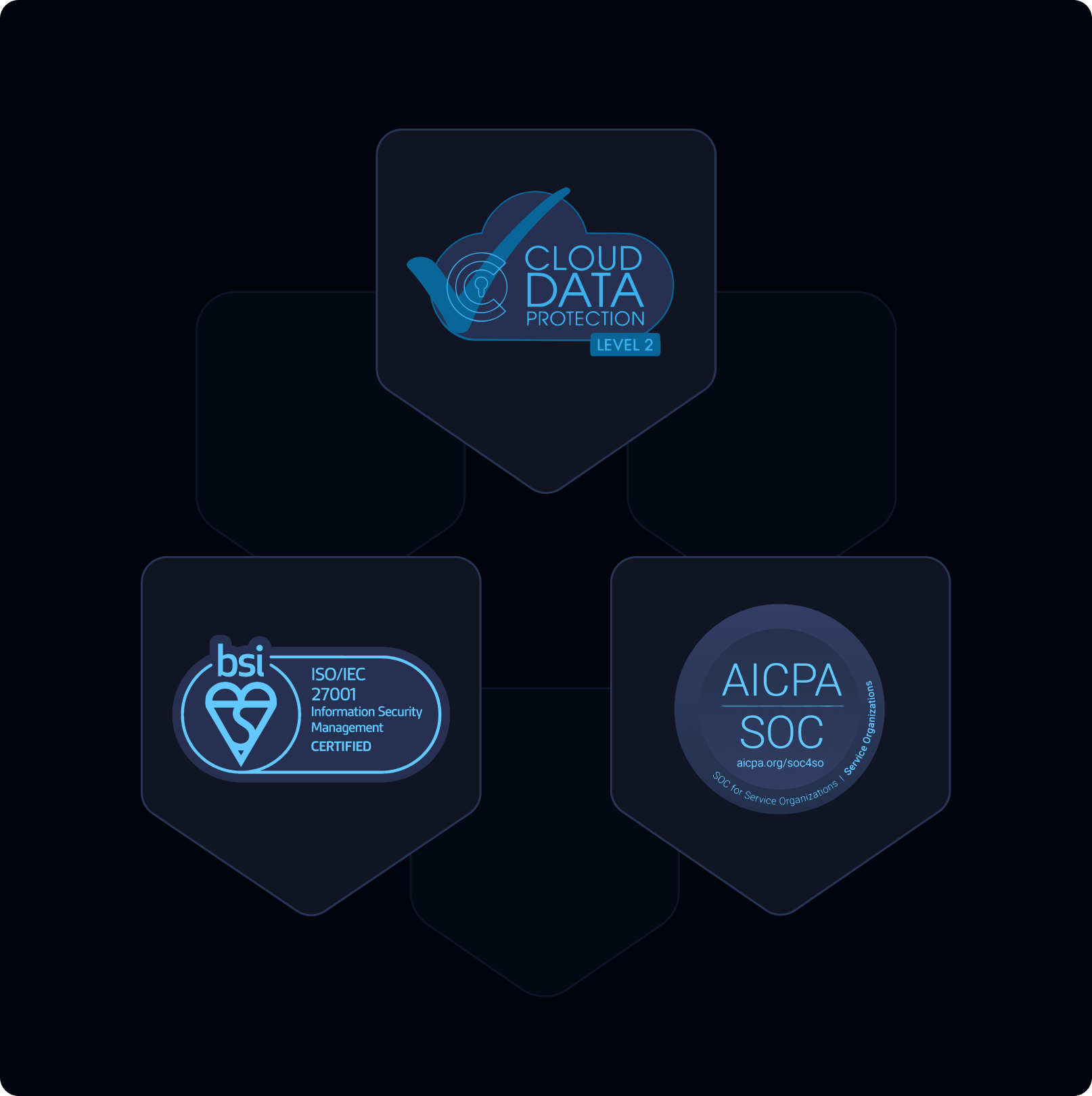
OB Cloud provides integrated platform capabilities to support database management throughout the entire lifecycle.
Centralized Cloud Instance Management
Through the OB Cloud console, users can create, manage, and monitor database instances from a centralized interface.
The platform provides capabilities such as real-time monitoring, log inspection, backup, and recovery. These tools help database administrators track instance performance, identify potential issues, and maintain data security and operational stability.
Full Lifecycle Database Management
OB Cloud provides capabilities covering database assessment, migration, monitoring, diagnostics, backup and recovery, and operational optimization.
These services support the entire database lifecycle, from initial migration and development to daily usage and ongoing maintenance. By integrating these capabilities into a unified service environment, OB Cloud helps enterprises simplify database operations and improve management efficiency.
Cloud-Based SQL Development and Collaboration with ODC
When used alongside the web version of OceanBase Developer Center (ODC), OB Cloud provides graphical database development tools as well as database governance and collaboration capabilities.
ODC places particular emphasis on the security, compliance, and efficiency of SQL changes in cloud environments. It helps development teams manage SQL changes through more standardized workflows while improving coordination among multiple users.
For organizations with distributed development teams or multiple users working on shared database instances, these capabilities help improve collaboration and reduce operational risks associated with database changes.
Conclusion
Choosing the right cloud SQL database involves balancing multi-cloud flexibility, high availability, workload diversity, storage efficiency, and operational management.
With its cross-cloud native architecture, distributed high-availability capabilities, multi-model and AI integration, and flexible deployment options, OceanBase Cloud provides an enterprise-grade foundation for modern cloud database workloads.
By combining database deployment, development, and lifecycle management within an integrated platform, OB Cloud helps enterprises build a more flexible and resilient cloud data infrastructure.
To explore how a cloud SQL database can support your multi-cloud strategy, try OceanBase Cloud or visit the OceanBase documentation to learn more.